Connections, The Best Hope Isolation comes with consequences and building connections is our bridge to the future are some truths brought home during this pandemic. As we take stock of our lives during these
Garden Traveler @ Home Although many botanical gardens are temporarily shut down, garden travelers can still tour many gardens — virtually. We’ll update this list periodically, but here are a few sites. Enjoy!
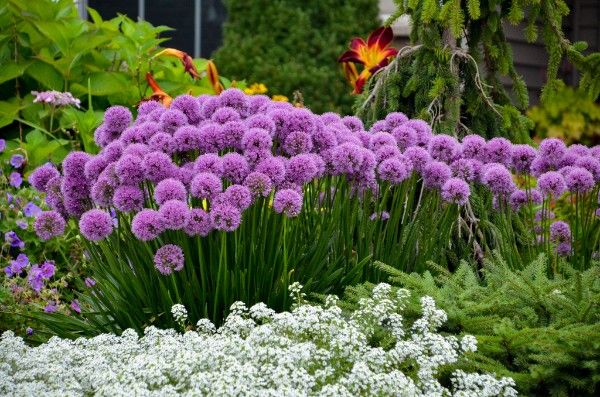
Clippings: Allium ‘Milleniunm’ 2018 Perennial Plant of the Year Who would have thought an onion would be a standout in your landscape instead of your salad? That’s before the ornamental onion — Allium “Millenium” – was named the Perennial
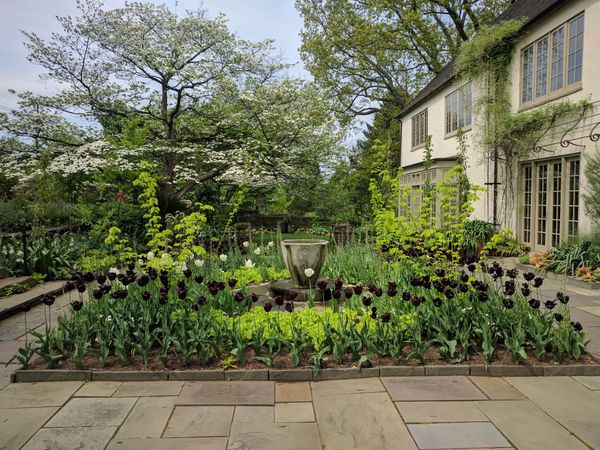
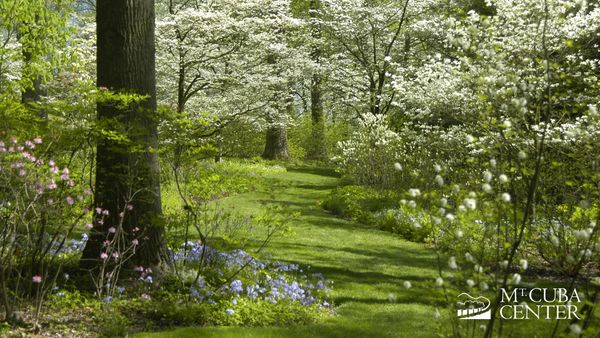
Wayne, PA: Chanticleer Garden, Always a Pleasure Whether you’re a master gardener, a gardener wannabe, or kill every plant you bring home, Chanticleer Garden should be on your bucket list. Located in Wayne, PA, within 30
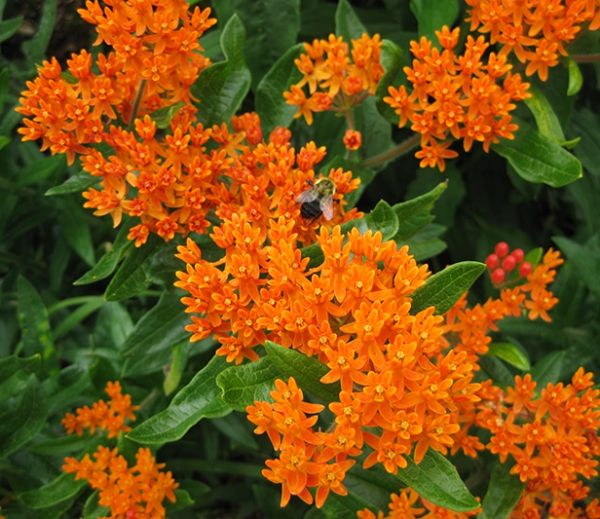
Clippings: #Perennial #Plant of the Year: Butterfly Weed Perennial Plant of the Year: Butterfly Weed What’s a garden without butterflies? As gardeners focus more on native plants that support pollinators, the Perennial Plant Association made a brilliant
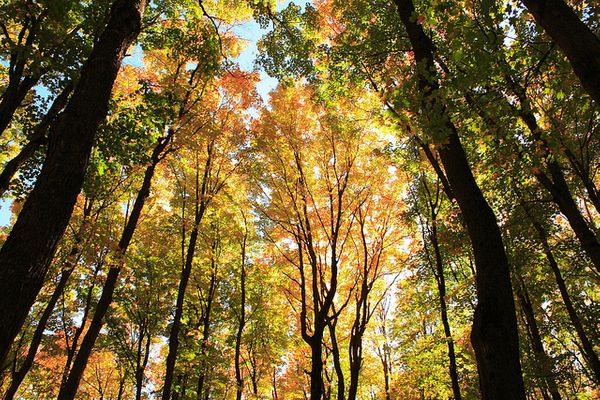
Greatest Show on Earth: Fall Foliage Leaf Watch 2020 When is the best time to hit the road for the annual greatest show on earth: Fall Foliage? It depends on the location, but the U.S. leaf watch typically
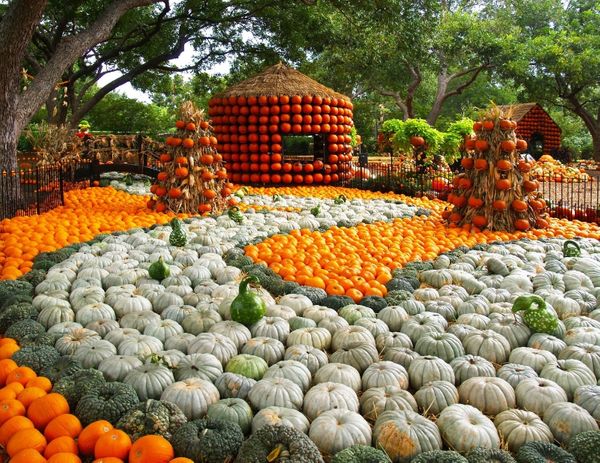
Dallas Arboretum Pumpkin Festival The Dallas Arboretum ushers in fall with Autumn at the Arboretum, featuring the Texas-size Pumpkin Village. Constructed with more than 75,000 pumpkins, gourds and squash, it’s an impressive
Save these Dates: April/May 2019 Flower Shows and Garden Festivals April and May bring hard choices for gardeners — spend time in your own garden or visit others? It’s tough, but you know you can manage to do both.